Scrammer Blog · Verification
How do I know whether a caller is real?
The honest answer is that you usually cannot know from the call alone. A name, caller ID, badge number, or personal detail can all sound convincing.
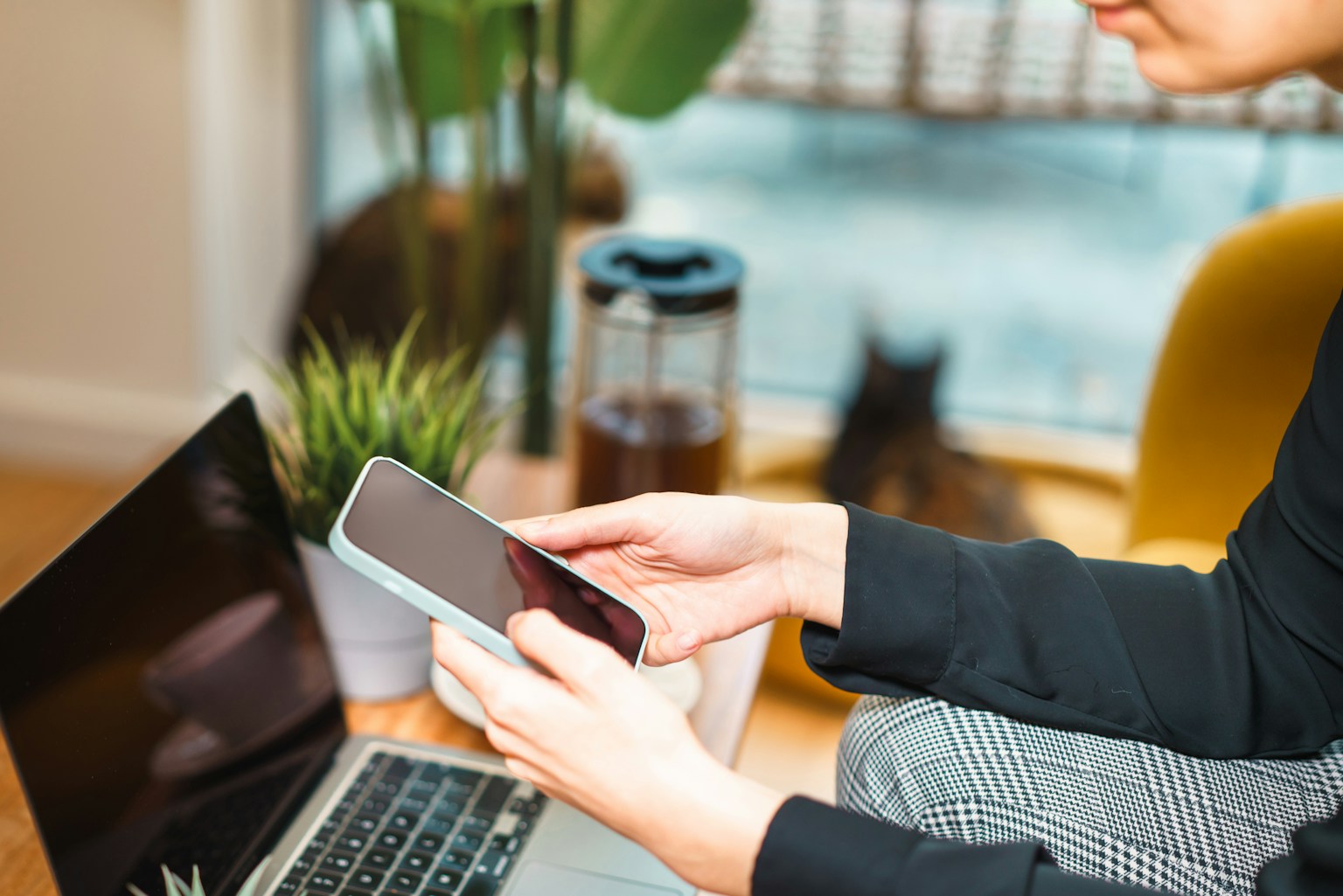
If an unexpected caller says they are from your bank, a government agency, a utility, a technology company, or even your family, you can end the call. You do not have to stay on the line while you check.
End the call, then verify
- Hang up. Do not use a transfer option or call-back number the caller gives you.
- Find a trusted contact route. Use the number on a bank card, account statement, official app, or official government website.
- Explain what happened. Ask whether the call or claim was real.
- Continue through the verified route. If there is a real issue, handle it with the organization you contacted yourself.
What if they tell me not to hang up?
That is a good reason to be careful. A caller might say the line must stay open, the police are listening, or you will lose money if you disconnect. You can still hang up.
A real problem will not become less real because you took time to contact the organization through an official route.
What if the number matches?
Caller ID is not enough. A displayed number can be changed or copied. The caller may also know your name, address, bank, or family details. Treat that information as part of the conversation, not as proof.
What if it sounds like a family member?
Call the family member using a number you already have. If you cannot reach them, call another relative who may know where they are. A private family verification phrase can also help during an emergency.
Find an established contact routeSources
- FTC: How To Avoid a Government Impersonation ScamOfficial guidance about caller ID, threats, and independent verification.
- FTC: Scammers Use Fake Emergencies To Steal Your MoneyOfficial guidance for unexpected family-emergency requests.