
Scrammer Blog · Tax scams
How can I verify an unexpected IRS message?
Tax messages can feel serious. The IRS explains how it normally contacts people and how to report fake tax-related messages.
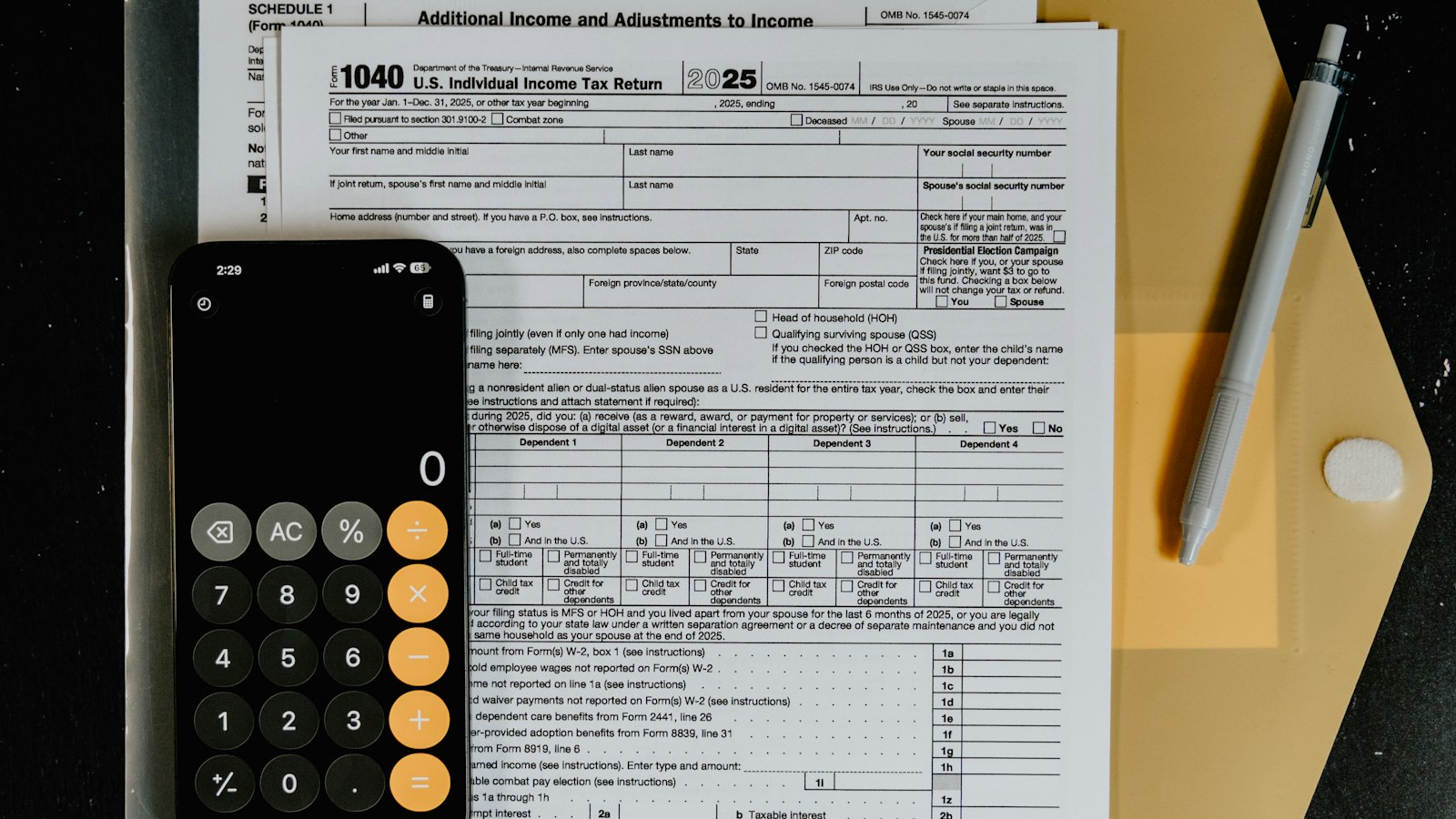
An unexpected tax message may threaten arrest, demand immediate payment, or promise a refund. Do not let the urgency decide your next step. The IRS publishes official information about its contact methods and reporting routes.
Do not pay through the message
Do not buy gift cards, send cryptocurrency, or transfer money because of an unexpected demand. Do not click a link that asks you to sign in or confirm tax information.
A caller who refuses to let you stop and verify the claim is creating pressure, not proof.
Check how the IRS contacts people
Visit IRS.gov directly and read its page about how to know whether a contact is from the IRS. Use contact information from the official site, not from the message.
Keep in mind that a real agency name, badge number, or caller ID display can be copied or invented.
Report a fake tax message
IRS.gov has instructions for reporting fake IRS, Treasury, and tax-related emails and messages. Follow the instructions that match the type of contact you received.
If you disclosed financial information, also contact the affected financial institution through its official route.
The main idea
You do not need to investigate the sender yourself. Pause, verify the claim through a contact route you find independently, and use official help if money or information may be at risk.
Use the private Help FinderSources
- IRS: How to know it's the IRSOfficial explanation of IRS contact methods.
- IRS: Report fake IRS or tax-related messagesOfficial reporting instructions for suspicious tax contacts.
Sources last reviewed September 27, 2026.